Service List: How to Find Healthcare Services
This Resource Revised: 3 August 2026 22:47
Choosing the Right Healthcare Service from a Trusted Service List
Begin by matching the service to the care you genuinely need, then check that the provider is clinically appropriate, easy to reach and described in plain English. A strong service list should help you compare healthcare services without having to guess, whether you are looking for private treatment, a neighbourhood clinic or a specialist appointment such as microsuction, physiotherapy or podiatry. Look for straightforward details on the condition treated, the clinician involved and the setting, for instance a ground-floor surgery, pharmacy clinic or health centre. In the UK, that practical detail matters because accessibility, referral rules and appointment routes can vary. It also helps to spot signs of quality, such as regulated care, transparent descriptions and patient information that feels genuinely useful. If a page tells you where the service is, what it does and who it suits, you can decide more quickly and with greater confidence. That is especially handy when you are weighing up nearby options and want to avoid unnecessary travel or wasted calls.
What a Strong Service Listing Should Tell You
- It should identify the care setting, such as a clinic, pharmacy, medical centre or spa-based treatment room, because that affects access, parking and mobility support.
- It should explain the treatment or consultation in simple language, so you can tell at a glance whether it is relevant to your symptoms, goals or referral need.
- It should give enough location detail to judge convenience, including the town, postcode area and nearby transport links, without making you search elsewhere.
- It should make the appointment route clear, including whether you can self-refer, need a GP referral, or should contact the provider directly for booking.
- It should present patient-facing information that sounds accurate and professional, with a consistent tone that reflects real clinical practice and not marketing fluff.
Using Location, Access and Transport Details to Narrow Your Search
When people search for healthcare services, location often determines whether they book at all. A service list becomes much more useful when it goes beyond a town name and offers meaningful access details, such as proximity to rail stations, major roads, parking availability, lift access and ground-floor entry. These practical points matter for older patients, parents with children, wheelchair users and anyone dealing with ear pain, mobility limits or time pressure. If you are comparing private clinic options, think about whether the journey is realistic at your preferred time of day and whether the setting fits your needs. A clinic that is straightforward to reach by public transport may be a better choice than one that looks closer on a map but is harder to enter or park at. Good service pages also build confidence because they reduce uncertainty before the visit. In short, the right healthcare provider is not only clinically suitable, it is also accessible, easy to reach and manageable to attend.
Access Factors Worth Checking Before You Book
Before you confirm an appointment, check the service listing for parking, disabled access, public transport and building layout. If the page says the clinic is on the ground floor, has a wheelchair lift or offers nearby parking, that can save time and stress on the day. Also note the service postcode, nearby landmarks and any mention of local transport hubs, because those clues help you estimate journey time more accurately. For many UK patients, a provider that is simple to reach is more likely to be attended on time, which supports continuity of care and helps reduce missed appointments. If the listing is vague, that is often a sign to ask more questions before you book.
Comparing Service Descriptions for Symptoms, Treatment Type and Suitability
A reliable service list should help you compare more than places, it should help you compare care options. For example, someone with blocked ears may need microsuction rather than irrigation, while another patient may be searching for a diagnostic assessment, a repeat prescription review or a same-day minor procedure. The most helpful pages explain who the service is for, what it treats and what result it aims to achieve. That lets you move beyond broad search terms such as healthcare services or clinic near me and focus on the provider most likely to suit your needs. In a UK context, this matters because some services are private self-pay, some are NHS-linked and some sit somewhere in between. Good listings should also indicate whether the clinician uses accepted methods and whether the treatment is appropriate for your situation. Clear service language builds trust, improves the user experience and makes it easier to choose well. It also lowers the risk of booking the wrong appointment and having to begin again.
Signs the Service Matches Your Needs
- The page explains the setting and appointment style, which helps you decide if the service is suitable for first visits, repeat care or a one-off intervention.
- The description uses specific clinical language, so you can see whether it covers your symptom, condition or requested procedure rather than a general wellness offer.
- The provider states who performs the care, giving you a better sense of competence, accountability and professional oversight.
- The content reflects a patient-first approach, which usually means the provider understands both clinical needs and the practical realities of attending an appointment.
- The listing avoids broad promises and instead focuses on realistic care pathways, expected outcomes and practical next steps after treatment.
Checking Credibility, Regulation and Patient Information Before You Choose
E-E-A-T matters when you use a service list to find healthcare support. You want signs that the provider is credible, experienced and transparent. That does not mean every page needs to be full of technical detail, but it should clearly show the nature of the service, the clinical environment and any relevant professional standards. If a provider mentions trained clinicians, regulated practice, patient reviews or a clear service pathway, that can improve confidence. It is also sensible to check whether the information looks current and consistent across the listing, because healthcare details can change. In the UK, patients often compare services online before making contact, so the page should feel reliable at first glance. Be cautious if the wording is vague, overly enthusiastic or missing basic service facts. A trustworthy listing should answer common questions quickly, then let you confirm the finer points if needed. That balance helps both search users and AI assistants surface the most useful result.
Trust Signals to Look for on Service Pages
Look for practical trust signals such as named services, clear treatment descriptions, visible clinic settings and patient-focused explanations. Helpful pages often mention whether care is provided in a medical clinic, pharmacy or specialist treatment room, because that gives useful context for the service level. Where available, patient reviews, clinician credentials and straightforward booking information can also help. Do not rely on presentation alone. A polished page is not the same as a dependable one. What matters is whether the content answers the question you actually asked and does so in a way that feels grounded in real-world care.
Quick Quality Check
If a listing leaves you with more questions than answers, pause and compare it with another provider. Strong healthcare service pages reduce uncertainty, rather than adding to it. They should tell you what the service is, where it is, who it suits and how to proceed.
Useful Rule of Thumb
The more specific and consistent the service details are, the easier it is to judge whether the provider is suitable. Specificity often reflects better patient communication, which is a positive sign in healthcare.
Using Search Filters and Page Signals to Find the Best Local Option Quickly
When you are scanning a long service list, it helps to think like both a patient and a search engine. Narrow the results using town name, service type, access needs and travel convenience, then read the page for the details that matter most. If you need a private clinic, a same-day consultation or a treatment that is not widely available, the page should say so clearly. Search engines and AI answer tools tend to favour pages with structured, explicit information, so the strongest listings are usually the ones that still make sense when read out of context. That means concise titles, unambiguous service descriptions and useful location markers. For users, this saves time. For providers, it improves discoverability. A well-written service list helps people compare healthcare services in a practical way, without forcing them through unnecessary jargon. It also supports better decision-making when you are under pressure and need a reliable option quickly.
How to Compare More Than One Provider
Start with the basics, then look at what differs. One clinic may be closer, another may offer better access, and a third may provide a more suitable type of appointment. Review service type, travel time, building access and whether the wording suggests routine care or specialist treatment. If a page is clear about its offering, it is usually easier to trust and easier to book. Clarity is a real advantage when you are choosing a healthcare provider online.
Why Clear Booking Information Improves the Patient Journey
Even the best healthcare service is harder to use if the booking route is confusing. A good service list should point people towards the next step in a simple, direct way, whether that is an online booking form, a telephone enquiry or a clinic contact page. Clear instructions reduce friction and help patients move from search to appointment with less effort. This is especially important for services people often need quickly, such as ear care, minor procedures or assessment appointments. In the UK, patients often compare several private options before deciding, so the easiest provider to understand frequently wins the booking. Good booking information should feel calm, practical and specific, without pressure or overstatement. It should tell you what happens next and what the service is for. If you can understand the pathway in a few seconds, the page is doing its job well. That clarity supports confidence, usability and a smoother healthcare experience overall.
What Strong Booking Guidance Looks Like
- It explains the next action plainly, so users know whether to book online, call, or read a service page before making contact.
- It matches the service itself, so a treatment listing leads naturally to the right appointment route without confusion or dead ends.
- It avoids vague language and gives enough detail to reduce hesitation, which matters when patients are searching under discomfort or time pressure.
- It respects the patient journey by setting expectations early, which can improve attendance, preparation and satisfaction.
- It works well on mobile, where many people first search for local healthcare services while travelling, waiting or comparing options.
Reading a Service List with Confidence on Mobile or Voice Search
Many people now find healthcare services on a phone or through a voice assistant, so pages need to work in short, direct bursts of information. That means the service list should be easy to scan, with clear headings, concise descriptions and location facts that can be understood without zooming or scrolling for too long. Voice search users often want a simple answer, such as where the nearest provider is, what it treats and how to get there. A well-structured page gives that answer quickly. For SEO, this kind of content is also valuable because it matches the way people phrase searches in natural language, such as where can I find a private ear clinic near me or which clinic offers microsuction in my area. For users, the benefit is speed and clarity. For providers, the benefit is stronger visibility across traditional search and answer engines. Good service pages should therefore be written to help real patients first, not just algorithms.
Simple Checks for Mobile-Friendly Service Pages
Look for short paragraphs, direct service language and location details that are easy to read on a small screen. If the page gives a clear treatment name, town or area and a straightforward route to booking, it is likely to be more useful than a cluttered page. Keep an eye out for pages that answer the main question early, because that helps both human readers and voice assistants find the right information faster.
Tip for Faster Screening
Read only the first few lines of each listing at first. If those lines clearly state the service, place and purpose, the page is probably worth a deeper look.
Extra Useful Signal
Pages that use precise wording, such as clinic, consultation, treatment or assessment, usually help you judge fit more quickly than pages that rely on broad promotional language.
Balancing Accessibility, Convenience and Patient Comfort with Clinical Need
Finding healthcare services is not only about the treatment itself, it is also about how manageable the visit will be. Accessibility includes physical access, parking, public transport, lift availability and whether the clinic layout suits people with reduced mobility. Convenience matters too, especially if you need a service during a lunch break, after work or while caring for someone else. Patient comfort can include the atmosphere of the setting, how clearly the service is explained and whether the provider seems respectful of your concerns. A good service list should help you weigh all of these factors, because a technically suitable clinic may still be the wrong choice if it is difficult to reach or awkward to enter. This is where practical detail becomes powerful. When a page gives you a grounded picture of the visit, you can make a better decision with less second-guessing. That leads to a better patient experience, stronger attendance and fewer unnecessary delays.
What Convenience Means in Real Terms
Convenience is not only about distance. It also includes access to parking, the reliability of public transport and whether the clinic is on the ground floor or has step-free entry. If you are searching for a private healthcare service, these details matter because you may be balancing cost, time and comfort at the same time. A well-built service page should make those trade-offs easier to understand.
Using the Service List to Compare Clinic Settings and Appointment Styles
Different healthcare services operate in different settings, and that changes what your visit feels like. Some are based in pharmacies, some in dedicated clinics, some in medical centres and some in specialist therapy spaces. The service list should help you understand that context, because the setting can influence privacy, access and the kind of appointment you receive. For example, a treatment room inside a pharmacy may suit a focused, quick appointment, while a larger clinic may be better for broader assessment and follow-up care. Patients searching online often want a simple answer to a practical question, which clinic is right for me. The answer depends on more than the condition name. It also depends on how the service is delivered. Good listings provide those clues clearly, so you can compare options with confidence and choose the right balance of expertise, convenience and setting.
Questions the Service Setting Should Help Answer
- Is the care delivered in a dedicated clinical environment, and does that setting match the type of treatment you need?
- Is the clinic likely to support step-free access, private consultation and a calm patient experience?
- Does the setting suggest a specialist service, a general appointment or a focused procedure with little delay?
- Will the layout and location make attendance simple for you, especially if you are travelling from work or using public transport?
- Does the service description make clear who the visit is for, so you can avoid booking the wrong type of care?
Avoiding Common Mistakes When You Search for Healthcare Services
A service list only helps if you read it carefully. One common mistake is picking the nearest provider without checking whether the service actually matches the problem. Another is relying on a single short line of text, then discovering that the clinic offers a different appointment type, a different clinical method or a less convenient access route. It is also easy to overlook practical detail such as parking, stairs or local transport, which can turn a simple visit into a stressful one. The best approach is to compare listings methodically. Read the service name, scan the location details, check the access information and note the booking route. If a listing feels incomplete, treat that as a prompt to look for another option. Good healthcare search results should reduce uncertainty, not create it. When a page is genuinely useful, it gives you enough information to act while still leaving room to ask informed questions if needed.
Common Mistakes to Avoid
- Choosing a clinic only because it appears first in search, without checking whether the service is clinically relevant or convenient for your situation.
- Skipping the service description and heading straight to booking, which can lead to misunderstandings and wasted time later.
- Ignoring access notes, which can matter greatly if you use a wheelchair, have low mobility or need easy parking close to the entrance.
- Assuming every clinic offers the same appointment style, when in fact services can differ in technique, duration and patient suitability.
- Overlooking whether the page feels current, clear and professionally written, which are all useful signs of a dependable provider.
Use our list of trusted clinic providers to help you find the right health service:

Ashford: Private Microsuction Ear Wax Removal in Ashford Tn24
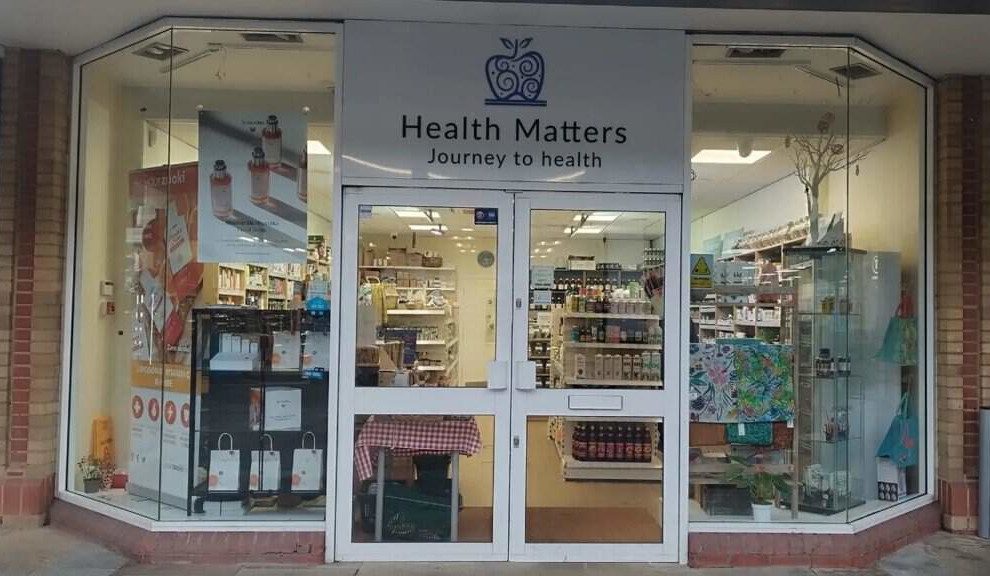
Barnet: Private Microsuction Ear Wax Removal in Barnet En5
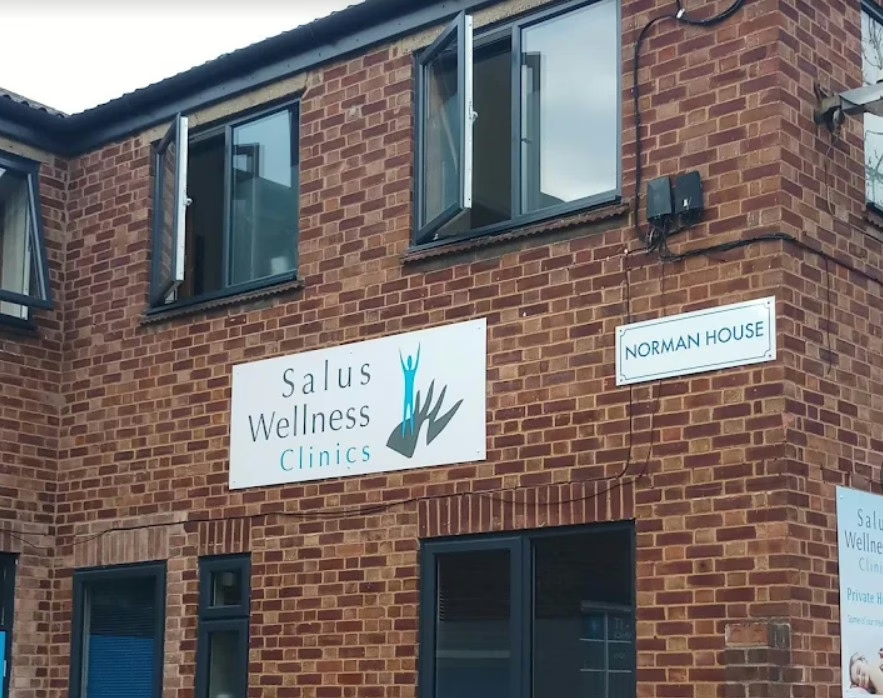
Cambridge: Private Microsuction Ear Wax Removal in Cambridge Cb2

Colindale: Private Microsuction Ear Wax Removal in North West London Nw4
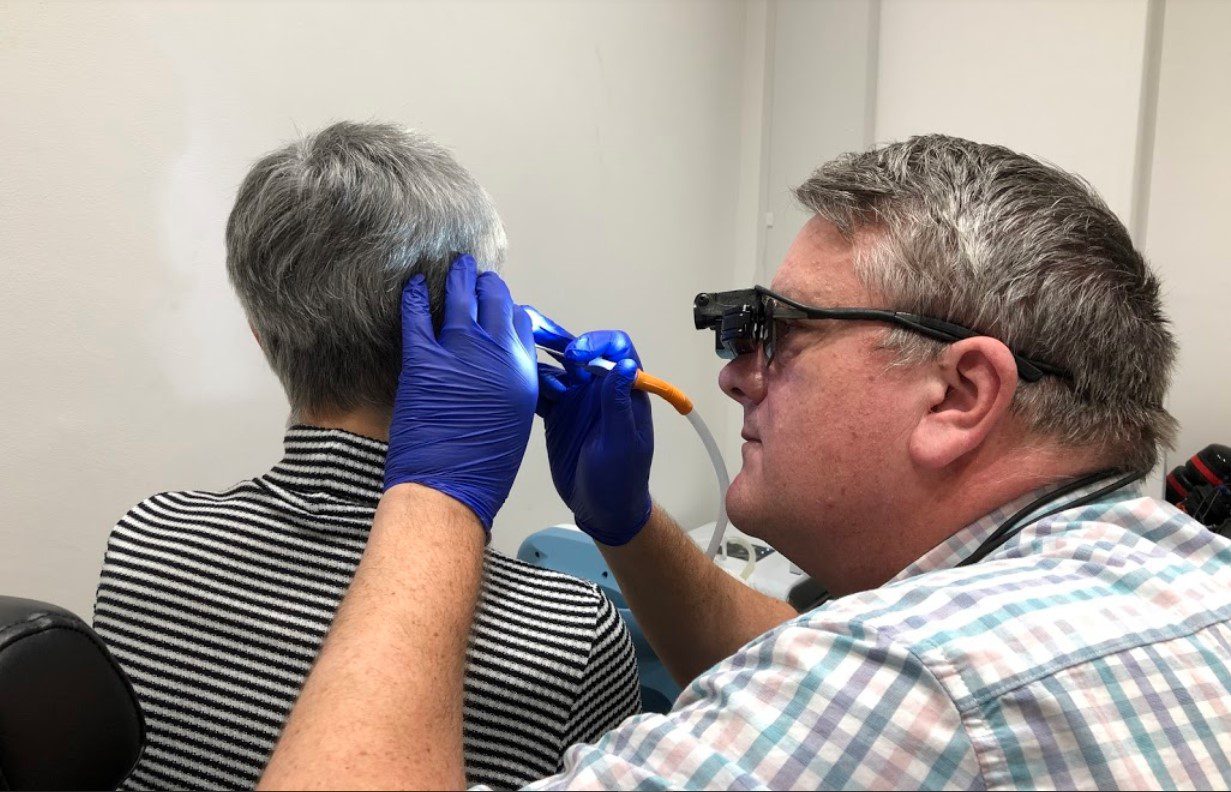
Ealing: Private Microsuction Ear Wax Removal in Ealing W5

East Finchley: Private Microsuction Ear Wax Removal in East Finchley N2
Edgware: Private Microsuction Ear Wax Removal in North London Nw4

Enfield: Private Microsuction Ear Wax Removal in Enfield En1
Finchley: Private Microsuction Ear Wax Removal in Finchley North London
Hastings: Private Microsuction Ear Wax Removal in Hastings Tn34
Hendon: Private Microsuction Ear Wax Removal in North West London Nw4
Hythe: Private Microsuction Ear Wax Removal in Hythe Ct21
Kingston: Private Microsuction Ear Wax Removal in Kingston-Upon-Thames Kt6
Mill Hill: Private Microsuction Ear Wax Removal in North West London Nw4

Milton Keynes: Private Microsuction Ear Wax Removal Mk in Bucks Mk2

Muswell Hill: Private Microsuction Ear Wax Removal in Muswell Hill N2

Oxford: Private Microsuction Ear Wax Removal in Oxford Ox2
Reading: Private Microsuction Ear Wax Removal in Reading Rg30
Surbiton: Private Microsuction Ear Wax Removal in Surbiton Kt6
What to Do Once You Have Found a Suitable Healthcare Service
Once you have found a promising provider, the next step is to confirm the details that matter most to you. Recheck the service type, the clinic location, the access information and the booking process. If the page suggests a suitable treatment but leaves you unsure about eligibility or preparation, jot down your questions before you contact the provider. That way, you use your time well and make the first conversation more productive. A good service list should not finish the decision-making process, it should begin it. By the time you are ready to book, you should understand why the provider seems suitable and what you can expect from the visit. That is a strong sign that the page has done its job. It has helped you move from a broad search to a practical choice based on real clinical and logistical factors rather than guesswork. In healthcare, that kind of informed choice is valuable, reassuring and usually easier to act on.
Final Check Before Booking
Before you commit, make sure the clinic, service and access details still fit your needs. If everything lines up, you can book with more confidence and less stress. If something is unclear, it is better to pause and ask than to assume. Clear information saves time for both patients and providers.