Hearing First Hythe Health Centre opening hours and contact number
This Article Modified | 29th August, 2026 6:56 pm
Waxfree Guarantee™: The only ear wax removal clinic in Hythe offering the Waxfree Guarantee™.
We are the only specialist microsuction ear wax removal clinic in Hythe providing Microsuction Earwax Removal and Manual Instrument Earwax Removal through expert Audiologists. Every earwax removal practitioner is selected by our founder, Jason Levy, so the service remains focused, specialist, and carefully led. In practice, that means you are seeing a team that is positioned as the ear wax removal experts in Hythe.
Our convenient Hythe, Kent location also serves Saltwood, Seabrook, Palmarsh, Botolph’s Bridge, St Mary’s Bay, Romney Marsh, Newchurch, Folkestone, Sandgate, Pedlinge, Lympne, West Hythe, Dymchurch, Westenhanger, Beachborough, Stanford, Etchinghill, Postling, Sellindge, Burmarsh, Aldington, Bonnington, Bilsington, Stone Cross, Ruckinge, Mersham, The Forstal, Smeeth, Lilyvale, Brabourne Lees, Monks Horton, Broad Street, Newbarn, Stowting, Sixmile, Lymbridge Green, Bodsham, Newington, Arpinge, Frogholt, Peene, and other towns and villages across Kent.
Which Ear Wax Removal Method Suits Your Needs in Hythe?

Microsuction and manual instrument removal are both established clinical approaches for ear wax removal, but they are not interchangeable. The best option depends on what the clinician sees during assessment, how the wax sits in the ear canal, and whether there are any factors that make one method safer or more comfortable than the other. Microsuction uses gentle suction under direct vision, which can be useful for dry, hard, or impacted wax, especially when the blockage is close to the eardrum. Manual instrument removal uses specialist tools and may suit certain ear shapes, softer wax, or patients who respond better to a more controlled mechanical technique. At Hearing First Hythe Health Centre, a trained audiologist can tailor the choice to the ear rather than follow a fixed routine, which supports safety, comfort, and a more efficient appointment. That individual approach matters because ear anatomy varies, symptoms are not always caused by wax alone, and a careful clinical decision helps reduce unnecessary irritation.
What the Clinician Normally Assesses First
Before any removal begins, the audiologist will usually inspect the ear canal, note the amount and type of wax, and check for signs that immediate treatment may not be appropriate. They may ask about tinnitus, pain, blocked hearing, previous perforation, grommets, dizziness, or recent infection, since these details can change the plan. Sometimes the visible wax is only part of the picture, and the symptoms may point to a different ear health issue. A thorough assessment also allows the clinician to explain whether microsuction, manual extraction, or a different referral route is the most sensible next step. Good clinical practice means moving at a measured pace, keeping you informed, and stopping if the ear becomes sensitive. That is particularly important for people who have narrow canals, fragile skin, or a history of discomfort with ear procedures.
A Simple Tip Before Your Appointment
If you are anxious about having your ears treated, say so at the start of the visit. A slower explanation, brief pauses, and time for questions often make the experience much easier to manage. Many patients feel more confident when they know exactly what will happen and when they can ask the audiologist to stop.
How Much Does Ear Wax Removal in Hythe Cost?
Published Payment Methods
- Credit cards
- Debit cards
- Contactless or NFC payments
Payment information may change. Confirm prices, insurance eligibility and accepted methods directly with the provider. Place attributes are provided by Google Maps.
Ear wax removal in Hythe starts at £34. Pricing can vary depending on whether treatment is for one or both ears, how far in advance the booking is made, and whether the appointment falls at peak or off-peak times.
21 Interesting Facts About Hythe
- One of the Original Cinque Ports
Hythe was one of the original five Cinque Ports established for military and trade purposes in medieval England, providing ships and men to the Crown. - Home to the Famous Romney, Hythe & Dymchurch Railway
This one-third scale steam railway has run since 1927 and stretches from Hythe to Dungeness, offering a unique and scenic ride along the coast. - St Leonard’s Church Has an Ossuary
St Leonard’s Church in Hythe contains one of only two known ossuaries (bone stores) in the UK, with over 2,000 skulls and 8,000 thigh bones stacked along the crypt. - Ear Wax Removal In Hythe
The very best ear wax removal in Hythe is now available at Hearing First Hythe at Hythe Clinic. Click here to book ear wax removal in Hythe now! - Hythe Means “Haven” or “Landing Place”
The name Hythe comes from the Old English word “Hǣþ,” meaning a safe landing place for boats, reflecting its coastal and trading heritage. - Royal Military Canal Runs Through It
This defensive canal was built during the Napoleonic Wars to protect England from invasion and now serves as a peaceful walking and boating route. - Hythe Used to Have a Harbour
the harbour disappeared — changing the town’s maritime role., Centuries ago, the sea retreated, and Hythe had a busy harbour. Due to silting - A Hotspot for Smuggling in the 18th Century
Hythe was a known smuggling centre, with contraband goods such as brandy and silk secretly brought ashore and hidden in cellars and tunnels. - Visited by Charles Dickens
Charles Dickens visited Hythe and praised its peaceful character and seafront walks in his travel writings and personal letters. - Hythe Was a Parliamentary Borough
Until 1950, Hythe had its own Member of Parliament despite being a relatively small town, a relic of its Cinque Port status. - Hythe Imperial Hotel History
it remains a historic landmark with views of the English Channel. and This grand Victorian hotel once hosted royalty and high society guests - Training Ground for British Army Officers
Hythe was once home to a School of Musketry (now the Small Arms School Corps), training soldiers in the use of rifles and marksmanship. - Views of France on Clear Days
On a clear day, you can see across the English Channel to the French coast from Hythe’s seafront promenade. - Hythe Green Was Once a Market Site
The central green was used for markets and fairs in medieval times and is still a public space used for community events today. - WWII Defences Still Visible
Pillboxes and anti-tank obstacles from World War II remain visible around Hythe, part of England’s coastal defence system. - Home to a Vibrant Art Scene
In recent years, Hythe has become home to artists, galleries and studios, adding creative vibrancy to this historic town. - Known for Its Victorian and Edwardian Architecture
Hythe’s streets feature beautiful buildings from the 19th and early 20th centuries, reflecting its heyday as a seaside retreat. - Hythe Festival Celebrates Local Culture
This annual event showcases music, theatre, art and heritage, drawing locals and visitors to celebrate the town’s creativity and history. - Home to One of Kent’s Oldest Golf Courses
Founded in 1887, Sene Valley Golf Club overlooks the Channel and offers spectacular views along with historic fairways. - Hythe Town Hall Has a Georgian Facade
The elegant town hall dates from 1794 and remains the centre of civic life, with a striking Georgian design and central location. - Popular with Walkers and Cyclists
Hythe is at the start of the scenic Saxon Shore Way and offers a wide network of trails along the canal, countryside and coast.
Preparing for a Comfortable Ear Assessment
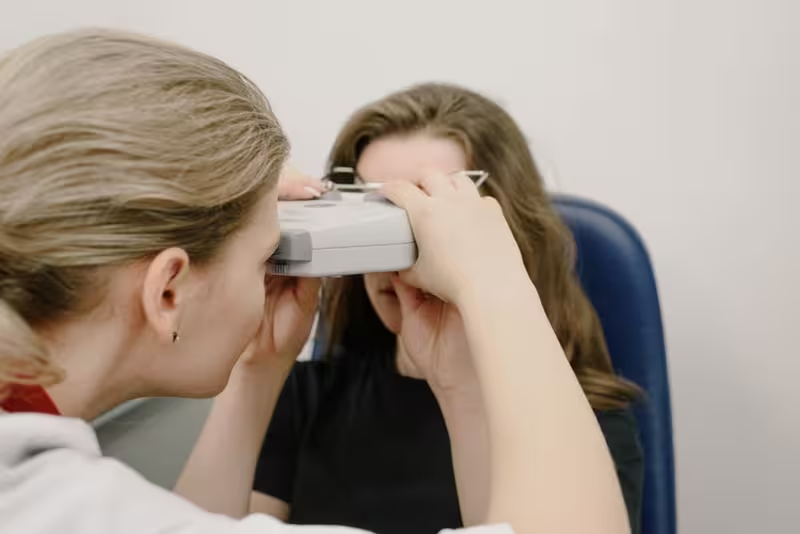
Good preparation can make ear wax removal feel more straightforward and less stressful. If the clinic has advised you to use olive oil drops or sodium bicarbonate drops beforehand, follow the instructions carefully, because softening the wax may improve the chance of a successful treatment. It is also helpful to bring a clear note of your symptoms, for example blocked hearing, muffled sound, ringing in the ear, or discomfort when using hearing aids. Mention any recent ear infection, past surgery, or previous treatment, because these details can affect how the audiologist proceeds. Travel time matters too, especially if you are coming into Hythe from elsewhere in Kent or relying on public transport. A well-organised appointment usually starts with accurate information, sensible timing, and realistic expectations about what can be achieved in one visit.
Practical Points That Make the Visit Easier
- Bring hearing aids, medication details, and any notes about previous ear surgery so the clinician has a fuller clinical picture.
- Avoid cotton buds, because they can push wax deeper into the canal and leave the skin sore or inflamed.
- Tell the audiologist about pain, discharge, dizziness, or a sudden change in hearing, as these can affect safety.
- Use any recommended drops exactly as directed, since too little or too much can reduce their usefulness.
- Wear comfortable clothing and allow a few extra minutes to settle before the examination begins.
One Useful Caution
If you wear hearing aids, the benefit after wax removal can be noticeable, but the change depends on how blocked the ear was in the first place. In some cases, the clinician may suggest waiting briefly before reinserting devices if the ear canal feels tender.
Why This Matters
Careful preparation helps the audiologist work safely and often shortens the time spent in the chair. It also reduces avoidable discomfort, which is especially helpful if you have had blocked ears for a while or have had a difficult ear appointment in the past.
Which Ear Wax Removal Option May Suit You Best
Microsuction ear wax removal and manual instrument removal are both widely used clinical techniques, although they are not the same, and the most suitable choice depends on what the clinician finds during assessment. Microsuction relies on gentle suction under direct vision, so it is often favoured when wax is dry, impacted, or lying close to the eardrum. Manual instrument removal uses specialist tools and can be helpful in selected cases where ear canal shape, wax consistency, or patient comfort suggests a different approach. At Hearing First Hythe Health Centre, the advantage of a trained audiologist is that the method can be matched to the ear, rather than applied as a fixed routine. That kind of judgement supports safety, hearing comfort, and a better overall appointment experience.
What the Clinician Will Check First
During the assessment, the audiologist will usually examine the ear canal, the visible wax, and any signs that the ear may not be suitable for immediate removal. They may also ask about tinnitus, a blocked sensation, previous perforation, grommets, or a recent infection, because those details can influence the clinical decision. Sometimes ear wax is not the true cause of the symptoms, so a careful look helps avoid unnecessary treatment. Good practice also includes explaining the process clearly, working at a measured pace, and stopping if the ear becomes too sensitive.
A Simple Tip for Patients
If you feel nervous about ear procedures, mention it at the beginning. A steady explanation, a slower pace, and time to ask questions can make microsuction feel much easier to manage. Many people also find that understanding each stage reduces discomfort and builds confidence in the appointment.
What Happens During the Ear Wax Removal Appointment?
Most appointments begin with a short discussion about your symptoms, followed by an examination of the ear canal using suitable clinical equipment. The audiologist then decides whether microsuction, manual instrument removal, or another approach is most appropriate for your ear. The procedure is usually done under direct vision, which allows the clinician to work precisely and respond quickly if the ear becomes sensitive. People often worry about whether the treatment will hurt, but the experience varies from person to person and from ear to ear. A good clinic explains each stage, checks in with you during the procedure, and stops if the wax is stubborn or the canal is unusually narrow. That careful pace is part of safe audiology practice and helps keep the appointment calm, especially when the ear is heavily impacted or the wax has been sitting near the eardrum.
Why Direct Vision Is So Important
Working under direct vision gives the clinician far better control than attempting blind removal. It allows them to see the wax clearly, judge the shape of the ear canal, and choose the right instrument or suction technique. This is one reason experienced audiologists place such importance on a proper otoscopic assessment before treatment starts. If the ear is too sensitive, the wax is tightly packed, or the view is restricted, the clinician may stop and explain the next step rather than push ahead. That kind of decision-making helps protect the ear canal and supports a better outcome overall. It also means patients are less likely to feel rushed, which can make the appointment feel more manageable.
How Comfort Is Maintained During the Procedure
Comfort usually depends on clear communication, steady pacing, and a clinician who understands when to pause. The audiologist may tell you when to keep still, when to expect a suction sound, and when a tool is about to enter the canal. These small explanations often reduce anxiety and make the process feel more predictable. If you need a break, it is sensible to say so straight away.
A Small but Useful Guideline
Try to keep your shoulders relaxed and breathe normally while the treatment is taking place. Tension can make the experience feel sharper than it really is, whereas a calm posture often helps the appointment move more smoothly.
If Wax Cannot Be Removed on the Day
Occasionally the clinician may decide not to complete removal in one session, particularly if the wax is too hard, the canal is inflamed, or the view is limited. In that case, they should explain the reason clearly and advise on the most sensible follow-up.
Planning Your Visit to the Hythe Clinic
When people search for Hearing First Hythe Health Centre opening hours and contact number, they are often also trying to plan the practical side of the journey. That can include how to get there, whether there is parking nearby, and how much time to leave before the appointment. Hythe is a busy coastal town, so it is sensible to build in extra time if you are travelling from Folkestone, New Romney, or elsewhere in Kent. A well-planned visit helps reduce stress, especially if your ears feel blocked and your hearing is already affecting day-to-day tasks. If you have accessibility needs, ask in advance so the team can advise on the best arrival arrangements and whether you should bring someone with you.
For many patients, the main aim is straightforward, getting safe help from an audiologist without unnecessary delay. That is easier when you know the clinic's opening pattern, the best way to make contact, and the type of service provided. A specialist ear wax removal clinic is not the same as a general GP surgery, so appointment flow, timing, and clinical assessment may be different. If you are comparing providers, look for clear information about the procedure, the clinician's experience, and what happens if the wax cannot be removed in one visit. Those details are often more useful than a generic promise of quick treatment.
Good ear care starts with the right first contact, a clear explanation of symptoms, and a clinic that treats hearing health as a clinical priority rather than a routine task.
Planning a Smooth Visit to Hythe Clinic
Planning ahead can make a visit to Hearing First Hythe Health Centre easier, especially when blocked ears are affecting hearing, comfort or daily communication. Patients travelling from Hythe, Folkestone, New Romney or elsewhere in Kent may wish to allow additional journey time and confirm the best arrival arrangements before setting off.
Before booking or travelling, check the clinic opening pattern and make contact to discuss your needs. This is particularly helpful if you have accessibility requirements, are bringing another person with you, or need guidance about an ear wax removal assessment. A specialist audiology clinic may have a different appointment process from a general GP surgery.
A well-prepared visit begins with clear symptom information, sufficient travel time and confirmation of the details that matter to you.
Opening Hours
Google currently lists this location as operational.
Published Opening Hours
- Monday: 8:30 AM – 6:30 PM
- Tuesday: 8:30 AM – 6:30 PM
- Wednesday: 8:30 AM – 6:30 PM
- Thursday: 8:30 AM – 6:30 PM
- Friday: 8:30 AM – 6:30 PM
- Saturday: 9:00 AM – 2:00 PM
- Sunday: Closed
Opening information is provided by Google Maps. Confirm times before travelling.
Aftercare and Short-Term Changes After Treatment
Research Catalogue Results for Ear Wax Removal
- The auricular cough reflex: lateralization, prevalence, procedural determinants, and the role of examiner handedness. - van de Loo J, Mayer M, Sharaf K, Eckel H, Jansen L, Klussmann JP, Luers JC., 2026.
- High-definition otoscopic device for humanitarian mission: how i do it. - Lechien JR, Maniaci A, Kipsang MJ, Kibor M, Vaira LA., 2025.
- Use of Castor Oil in Dermatology: A Narrative Review. - Girdler K, Cabatu A, Olds H, Potts GA., 2026.
Source: Europe PMC. These are bibliographic matches, not personalised medical advice or an endorsement of a treatment.
Once the wax has been removed, some people notice an immediate improvement in hearing, while others feel a temporary sense of fullness or mild sensitivity. This is not unusual, because the ear canal may have been blocked for some time and the skin can need a little while to settle. The audiologist may advise you to avoid putting anything into the ear, keep it dry for a short period, and return if the symptoms do not improve as expected. Clear aftercare guidance is an important part of good practice, especially when the patient has had impacted wax, repeated build-up, or a history of ear problems. If you are unsure what is normal after the appointment, ask before you leave. That gives you a better idea of what to expect and helps you act quickly if something feels wrong later in the day or the following morning.
What Normal Recovery Can Feel Like
It is common for the ear to feel slightly different after treatment, especially if the blockage has been present for a long time. Some patients notice sharper hearing straight away, while others only realise the difference when they return to quiet surroundings or put their hearing aids back in. A little residual sensitivity does not always mean anything is wrong. The canal may simply need time to recover from contact with suction or an instrument. However, any worsening pain, discharge, marked dizziness, or ongoing reduction in hearing should not be ignored. Those symptoms can suggest infection, irritation, or another ear issue that needs further attention. Prompt advice helps rule out complications and gives peace of mind.
Aftercare is not an extra, it is part of safe ear treatment and helps you understand whether the ear is settling as expected.
One Key Aftercare Point
If the clinician has advised you not to use ear drops, cotton buds, or earbuds for a while, follow that instruction closely. The ear canal is delicate, and unnecessary contact can irritate the skin or make the symptoms return sooner than expected.
Opening Hours
Published Hythe Opening Times
Hearing First Hythe Health Centre is listed as open from 8:30 AM to 6:30 PM from Monday to Friday, with Saturday hours from 9:00 AM to 2:00 PM. The location is listed as closed on Sundays, providing a useful guide when planning ear wax removal enquiries or appointments.
- Weekdays: 8:30 AM to 6:30 PM.
- Saturday: 9:00 AM to 2:00 PM.
- Sunday: closed.
Opening times can change, so confirm the current hours directly before you travel. If you are looking for a contact number, use the clinic's booking or contact route to verify the most up-to-date telephone details and discuss appointment availability.
How to Plan a Smoother Visit to the Hythe Clinic
When people search for Hearing First Hythe Health Centre opening hours and contact number, they are often trying to organise the practical side of a visit as well as the appointment itself. That can include travel time, parking, accessibility needs, and whether there will be enough time to speak to the team before treatment. Hythe is a busy coastal town, so it is sensible to allow extra time if you are travelling from Folkestone, New Romney, or elsewhere in Kent. A well-planned visit reduces stress, especially if blocked ears are affecting hearing, work, or everyday conversation. It is also worth thinking about whether you may need someone to accompany you, particularly if you feel anxious or have balance problems. Good planning supports a calmer appointment and helps you arrive ready for assessment rather than rushed or uncertain.
Questions Worth Checking Before You Travel
- Confirm the latest opening pattern, because clinic times can change and it is best not to rely on an old listing.
- Ask how long the appointment is likely to take, especially if you are planning around work, childcare, or transport connections.
- Check whether you should use ear drops beforehand, since preparation can affect the success of microsuction or manual removal.
- Say if you have accessibility requirements, because the team may be able to guide you on the most suitable arrival arrangements.
- Find out what to do if the wax is not fully removable in one session, so you know how follow-up is handled.
Why This Kind of Planning Helps
Audiology appointments work best when the patient and clinician start with the same expectations. If you know the route to the clinic, the timing, and the likely next steps, the whole experience feels less uncertain. That matters when hearing feels blocked and you simply want clear, safe help from a trained professional.
Safe, Comfortable Ear Wax Removal with a Local Audiologist
Your ears and hearing are delicate, so their care should be placed in expert hands. Some providers leave ear wax removal to lay people and treat it as a routine task, but we believe it calls for the skill and knowledge of a trained Audiologist.
At our clinic, only qualified Audiologists perform ear wax removal, helping to ensure a careful and effective procedure tailored to your needs. Your hearing is too important to leave to chance, and specialist care means your ears are looked after by someone with in-depth knowledge of ear anatomy and physiology. This approach reduces the risk of injury and supports a safe, high-standard service.
Hearing First Hythe – Microsuction Ear Wax Removal Hythe Tn34 Map
Audiologist-Led Ear Wax Removal in Hythe
Choosing ear wax removal with an Audiologist can bring extra reassurance when you have a blocked ear or are worried about hearing comfort. Hearing First Hythe Health Centre explains that ear care should be handled by a trained professional with a detailed understanding of ear anatomy and physiology, rather than approached as a purely routine task.
The clinic's approach is centred on individual care, with qualified Audiologists carrying out the ear wax removal procedure. This professional-led service is designed to support a safe and comfortable experience while helping to reduce avoidable risk. If you are unsure whether microsuction or manual instrument ear wax removal may be appropriate, ask the clinic for advice before you arrange your visit.
For Hythe residents and people travelling from nearby Kent communities, booking with a specialist ear wax removal clinic gives you a clear route to professional support. Use the online booking option to request an appointment, and contact the team directly if you need to confirm suitability, availability, accessibility needs, or what to expect during your consultation.
Getting Ready for Your Hythe Ear Clinic Appointment
With a little preparation, an ear wax removal appointment can feel more straightforward and more comfortable. If the clinic has asked you to use olive oil or sodium bicarbonate drops beforehand, follow those instructions carefully, because softening the wax can improve the chances of a successful procedure. It is also helpful to bring a note of any ear-related symptoms, recent infections, hearing aid use, or previous treatment, as this gives the clinician a clearer picture before they begin. Make sure you allow enough travel time, particularly if you are coming from outside Hythe or relying on public transport. The best appointments usually start with clear communication, sensible timing, and realistic expectations about what can be achieved in one visit.
- Bring hearing aids, medication details, and a note of any previous ear surgery if you have had treatment before.
- Tell the audiologist about pain, discharge, dizziness, or a sudden change in hearing, because these details affect clinical safety.
- Avoid using cotton buds, as they can push wax deeper into the ear canal and irritate the skin.
- Use any prescribed or recommended ear drops exactly as advised, because overuse or poor timing can reduce effectiveness.
- Wear comfortable clothing and allow a little time to settle in before the examination starts.
One Practical Point
If you wear hearing aids, the difference after wax removal can be noticeable, although the benefit will depend on how blocked the canal was. In some cases, the clinic may also suggest waiting before reinserting devices if the ears feel sensitive.
Understanding the Service Options Offered in Hythe
Specialist ear care is more than just removing visible wax. A good clinic will consider the whole ear health picture, including the appearance of the canal, the wax texture, and any symptoms that suggest hearing loss may have another cause. That is why service options matter. Microsuction is often chosen for dry or impacted wax because it gives the clinician fine control and direct visibility. Manual instrument removal can be useful when the ear shape or wax consistency makes another technique more suitable. The point is not that one method is always better, but that the treatment should match the ear in front of the audiologist. This is particularly important if you have had previous procedures, wear hearing aids, or have a history of sensitive ear canals. Choosing the right approach can improve comfort and reduce the risk of irritation.
Why the Method Should Be Matched to the Ear
Every ear canal is different. Some are straight and open, while others are narrow, curved, or more reactive to touch. Wax also behaves differently. It may be soft and sticky, or dry and compacted, and that can change which removal technique is most effective. A trained audiologist can look at these features and decide whether suction or an instrument is likely to be safer. They can also pause if the ear becomes sensitive, which is important in avoiding unnecessary discomfort. Good decision-making in clinic is not about speed alone. It is about achieving the best result with the least amount of irritation, especially for patients who have already struggled with blocked hearing for some time.
Common Features the Clinician May Consider
- How close the wax is to the eardrum, because proximity affects the choice of technique and level of caution.
- Whether the ear canal is narrow or curved, which may make one approach easier than another.
- Whether there is inflammation, tenderness, or recent infection, as these can make the ear unsuitable for immediate removal.
- How well the patient tolerates the procedure, since comfort can influence the pace and method used.
- Whether the symptoms might be caused by something other than wax, which may require a different referral or advice.
Micro-Guideline for Patients
If you have had a difficult ear treatment before, mention it early. That helps the audiologist choose the most appropriate technique and explain what they will do to keep you comfortable during the appointment.
Opening Hours
What to Expect If You Wear Hearing Aids
People who wear hearing aids often notice blocked ears sooner, because wax can affect sound quality, feedback, and comfort. A build-up can make devices seem less effective, and it may also cause a sensation that the ears are not fully open even when the hearing aids are fitted correctly. Ear wax removal can therefore make a practical difference to day-to-day hearing, but the benefit depends on how much wax was present and how long the canal had been blocked. The audiologist may ask what type of hearing aid you use, how often you wear it, and whether you have experienced any whistling or reduced volume. That information helps them judge whether wax is the main issue or whether a hearing aid check is also sensible. For some patients, treatment is simple and the improvement is immediate. For others, the ears may need a little time to settle before the full benefit becomes clear.
Useful Points for Hearing-Aid Users
- Bring your hearing aids to the appointment, because the clinician may want to understand how the blockage has affected device performance.
- Tell the audiologist if you have had feedback, muffled sound, or repeated fitting issues, as these can be linked to wax build-up.
- Ask whether there is any reason to delay reinserting the aids after treatment if the canal feels tender or slightly irritated.
- Keep your devices clean, because general maintenance supports comfort and helps avoid avoidable problems.
- Arrange a follow-up if the sound still feels off after wax removal, since not all hearing issues come from the same cause.
When Extra Caution May Be Needed
If you have fragile ear skin, recurrent infection, or a history of ear surgery, the clinician may take a more measured approach. That does not mean treatment cannot be done, but it does mean the appointment should be paced carefully and with clear explanation at each stage.
What to Expect During an Ear Wax Removal Appointment
Most ear wax removal appointments begin with a short discussion of your symptoms, followed by an examination of the ear canal using suitable clinical equipment. The audiologist will then decide whether microsuction, manual instrument removal, or another approach is the most appropriate. The procedure is usually carried out under direct vision, which allows the clinician to work precisely and respond quickly if the ear becomes sensitive. Patients often want to know whether it hurts, but the experience can vary from person to person and from ear to ear. Good clinics focus on comfort, explain what they are doing, and check in with you throughout the appointment. If the wax is stubborn or the ear is unusually narrow, the clinician may stop and explain the next step rather than continue unsafely.
Aftercare and Short-Term Effects
After treatment, some people notice an immediate improvement in hearing, while others experience temporary sensitivity or a mild feeling of fullness. This can happen because the ear canal has been blocked for some time or because the skin needs a little time to settle. The clinician may advise you to avoid inserting anything into the ear, keep it dry for a short period, and return if symptoms do not improve as expected. Clear aftercare guidance is part of good audiology practice, especially when a patient has had impacted wax, repeated build-up, or a history of ear problems. If you are unsure what is normal, ask before you leave the clinic.
When You Should Seek Further Help
If you develop worsening pain, discharge, marked dizziness, or reduced hearing after treatment, contact the clinic or seek medical advice promptly. Although ear wax removal is usually straightforward, unexpected symptoms should never be ignored. Prompt advice can help rule out infection or other issues and give you peace of mind.
Why a Trained Audiologist Matters for Ear Wax Removal
Ear wax removal is often described as a routine procedure, but it still involves clinical judgement, ear anatomy, and a good understanding of when not to proceed. That is why a trained audiologist adds real value. They can examine the ear canal properly, recognise when the wax is suitable for removal, and identify signs that suggest a different problem altogether. They are also better placed to choose between microsuction and manual instrument removal based on what is safest in that moment. This matters because the ear canal is delicate, the eardrum is sensitive, and even small mistakes can cause discomfort. A skilled clinician works with direct vision, explains the procedure clearly, and adapts to the patient rather than expecting the patient to adapt to a rigid process. That combination of technical skill and communication is a major part of a good clinical experience.
What Good Clinical Care Should Include
Good care is not just about removing the wax. It includes listening to symptoms, checking for contraindications, giving clear information, and deciding when to stop. It also means understanding when the wax is only part of the issue. For example, a blocked-ear feeling may be caused by infection, fluid, or pressure changes rather than wax alone. A trained audiologist can spot clues that point in that direction and avoid unnecessary treatment. They can also advise on aftercare, explain possible short-term effects, and tell you when to return for further review. That balanced approach supports safety and reassurance, which is especially important if you are nervous or have had mixed experiences elsewhere.
Specialist ear care should feel measured, explained, and tailored, not rushed or treated as a one-size-fits-all task.
A Useful Reminder
If something does not feel right during the appointment, speak up immediately. A professional clinician will expect that and should be willing to pause, reassess, or explain the next step before continuing.
Services Available Here:
- Manual Instrument Ear Wax Removal
- Microsuction Ear Wax Removal
Hythe: Hearing First Microsuction Ear Wax Removal Hythe
URL: https://www.hearingfirst.co.uk/book-ear-wax-removal-near-me/book-microsuction-ear-wax-removal-hythe/
View Hythe: Hearing First Microsuction Ear Wax Removal Hythe on Google Maps.
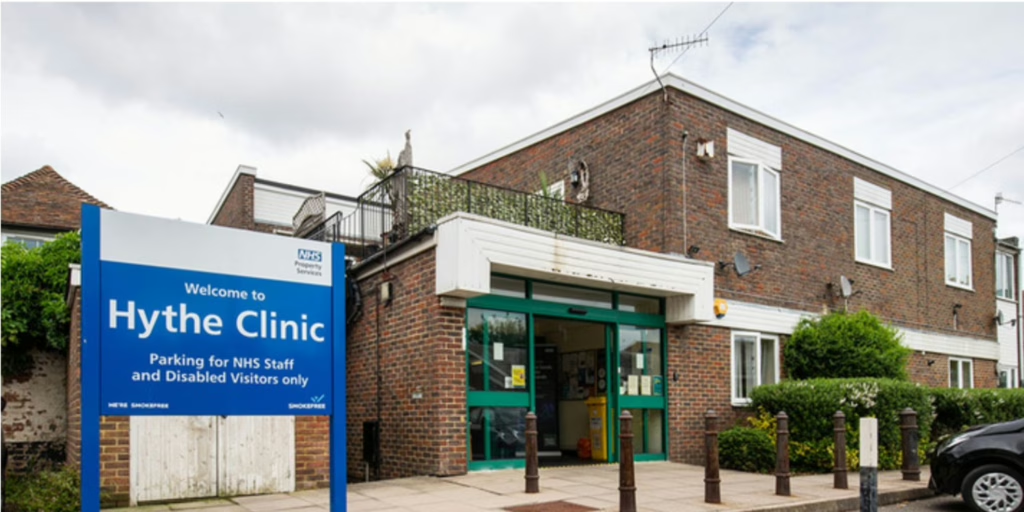
Professional ear wax removal Hythe Audiologists, conveniently located in Hythe Clinic on Sun Lane, with free on-site disabled parking. We are the only ear wax removal clinic in Hythe that offers The Hearing First Waxfree Guarantee™, so if you have a blocked ear, come to our ear wax removal Hythe clinic. We really are the ear wax removal experts in Hythe.
Signs That Ear Wax May Not Be the Whole Explanation
Although wax is a very common reason for blocked hearing, it is not the only possible cause. That is why a careful assessment is so important. If the audiologist sees symptoms that do not fit a simple wax build-up, they may advise a different course of action rather than attempt removal straight away. For example, pain, discharge, sudden hearing change, dizziness, or a strong smell from the ear can point to infection or another condition that needs medical review. A blocked sensation can also happen with pressure changes, fluid behind the eardrum, or irritation from repeated use of cotton buds. Recognising these signs matters because it prevents unnecessary treatment and helps you get the right advice sooner. A well-run ear clinic will not treat wax as the answer to every ear problem, and that caution is one of the reasons professional assessment is worth having.
When the Clinician May Pause or Redirect the Appointment
If the ear canal looks inflamed, the wax is too close to the eardrum for comfort, or there are signs of a recent perforation, the clinician may decide not to continue. They might recommend softening drops, a later review, or a referral for further assessment. That decision should be explained clearly so you understand why the appointment is changing. In many cases, pausing is safer than forcing removal. Patients sometimes feel disappointed when treatment is delayed, but careful judgement usually protects the ear from avoidable harm. It also means the next step can be planned in a more sensible way, which often leads to a better result overall.
Key Safety Point
Never try to dig out wax yourself with tools, cotton buds, or improvised objects. The ear canal can be damaged easily, and self-treatment can make symptoms worse rather than better.
Why This Caution Is Important
Even small scratches can cause pain, swelling, or infection, and they may make later treatment harder. A professional assessment is the safest route if your symptoms are persistent, severe, or not behaving like ordinary wax blockage.
Further Details and Booking Help
For more information and to see how to book ear wax removal in Hythe, click here.
Booking Support for Hythe Ear Wax Removal
Use the Hythe booking information to take the next step towards an ear wax removal appointment. The linked booking page is the appropriate place to review the available route for arranging care, helping you move from researching symptoms to contacting the clinic with confidence.
- Review the booking information before making arrangements.
- Describe any blocked-ear symptoms or relevant concerns clearly when you get in touch.
- Ask the clinic to confirm appointment availability and any preparation required before travelling.
Clear first contact can make an audiology appointment feel more straightforward, particularly if you are seeking microsuction or manual instrument ear wax removal. If you need practical guidance, ask about the most suitable booking option for your circumstances.
How Opening Hours Affect Planning for a Hythe Appointment
If you are looking for Hearing First Hythe Health Centre opening hours and contact number, timing is likely one of your main concerns. Knowing when the clinic is open helps you plan a call, arrange an assessment, or organise ear wax removal without wasted journeys. This is especially useful if you are travelling from outside Hythe, need to fit the visit around work, or want to avoid rushing at the end of the day. Published hours are only part of the picture, because availability can change and some appointment slots may fill quickly. It is always sensible to confirm the current details before setting off. That way you reduce the chance of arriving at the wrong time, and you can also ask about what type of appointment is appropriate for your symptoms. When hearing is already affected, a little organisation goes a long way.
What to Keep in Mind Before Travelling
Check the latest opening pattern, because clinics sometimes adjust times for holidays, staffing, or service changes. If you need an early, late, or Saturday visit, make sure that option is actually available before you plan the rest of your day. It is also worth asking whether there is enough time to have both ears assessed if needed, or whether a longer slot would be more suitable. Patients often find that a short check-in beforehand gives them more confidence and saves hassle later. Good planning makes the appointment feel less like a guess and more like a structured healthcare visit.
Opening hours are useful, but confirmation is better, especially when you are booking around travel, work, or discomfort from blocked ears.
A Final Practical Note
If your hearing changes suddenly, do not wait simply because of opening times. Sudden loss of hearing, severe pain, or discharge should be assessed promptly, and you may need medical advice rather than a routine wax removal slot.